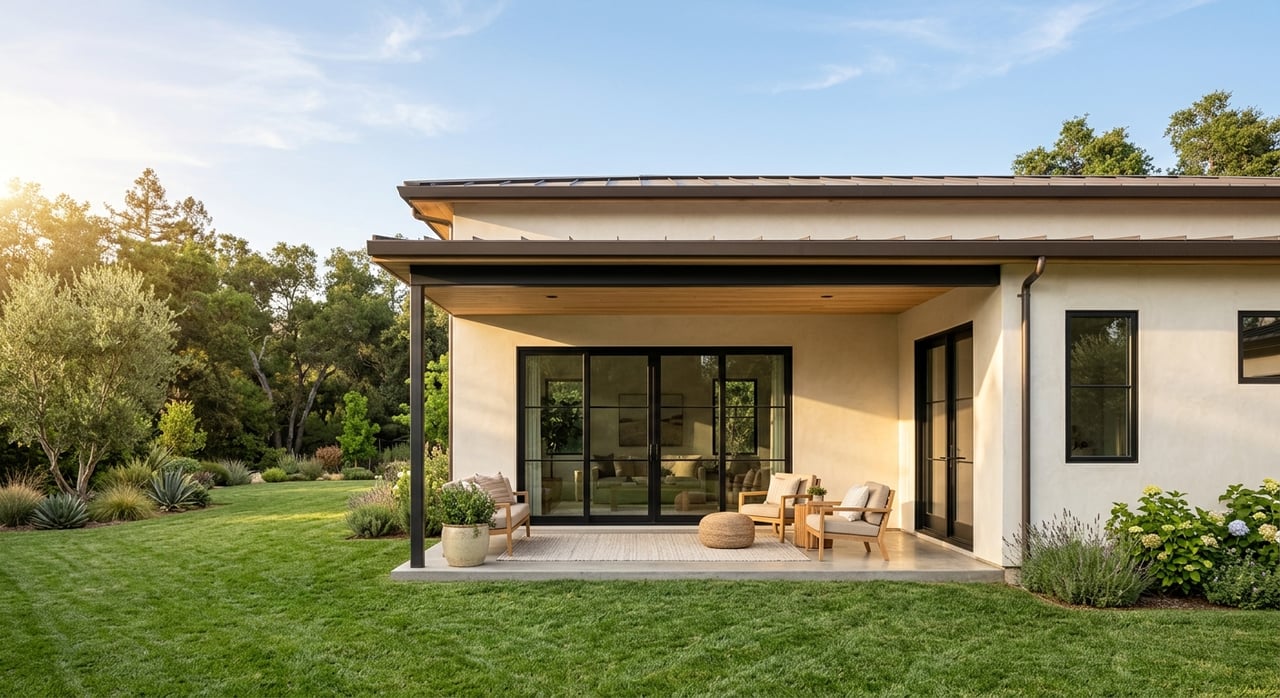
Choosing A Cambrian Home That Can Grow With You
June 11, 2026
June 11, 2026
Buying a home in Cambrian is rarely just about what works for you today. In a neighborhood where detached homes dominate and prices sit well above the broader San Jose market, your decision often needs to support the next chapter too. If you want a home that can handle changing space needs, future projects, and day-to-day livability, Cambrian offers real potential. Let’s dive in.
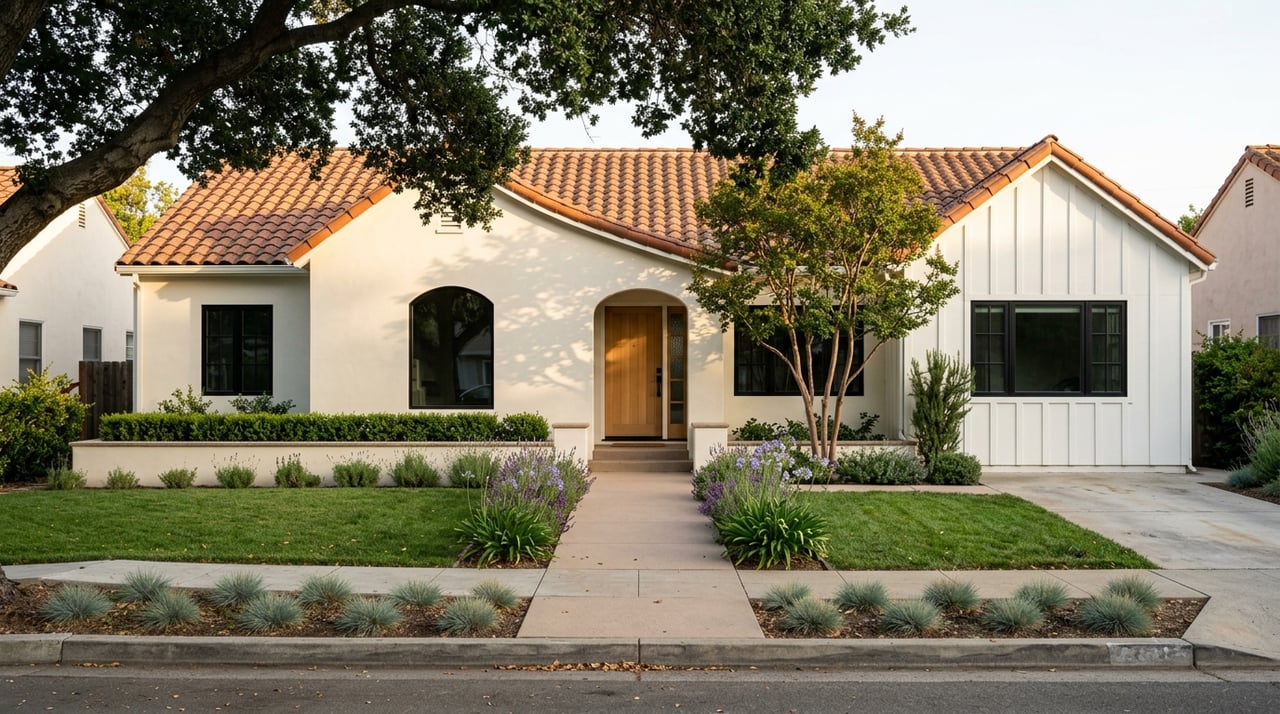
Cambrian has the kind of housing stock that makes long-term planning especially relevant. The area grew through postwar subdivision, so many homes trace back to mid-century development rather than recent new construction. That means you are often choosing among original-condition homes, partially updated properties, and fully remodeled houses.
That mix creates both opportunity and tradeoffs. A turnkey home may feel easier on day one, while an older home on a functional lot may give you more options over time. In Cambrian, the right purchase is often less about maximum current square footage and more about how well the property can adapt.
The market also supports careful decision-making. Recent snapshots place Cambrian’s median listing price around $1.73 million, compared with about $1.27 million citywide in San Jose. Homes also tend to move quickly, with listings often pending in about 11 days.
When you are trying to buy a home that can grow with you, the lot matters as much as the current layout. Cambrian is overwhelmingly a detached-home market, with 97% single-unit structures, so most buyers are evaluating how much flexibility a specific house and parcel can offer.
A kitchen remodel can change how a home feels, but lot features often determine what is actually possible later. Rear yard depth, side access, garage placement, and remaining usable outdoor space can shape whether you can add living area, create work-from-home space, or improve the property in stages.
As you tour homes in Cambrian, pay special attention to these details:
A beautiful remodel can be appealing, but if the lot is already heavily built out, your future options may be limited. On the other hand, a smaller home on a more functional lot may offer more long-term value for your lifestyle.
This is one of the most common Cambrian tradeoffs. Do you buy the polished, updated house that checks today’s boxes, or the larger original home that may need work but gives you more flexibility later?
A smaller updated home can make sense if you want predictability, less immediate project management, and a home that feels move-in ready. That choice can be especially appealing if your timeline is full and you do not want to take on design, permitting, or contractor coordination right away.
A larger original home may be the better platform if you are comfortable improving the property over time. In a neighborhood shaped by older detached homes and established lots, some of the strongest long-term opportunities come from properties that do not need a full teardown but do have room for thoughtful upgrades.
Ask yourself these questions as you compare options:
In Cambrian, the smarter buy is often the home that gives you choices.
If you are buying with future projects in mind, it is important to understand that many additions and structural remodels in San Jose are permit-driven. The city requires plan review for additions or remodels with structural changes, including review for zoning, building, and fire code compliance.
In some cases, a Single-Family House Permit is required. According to the City of San Jose, that can apply when a home exceeds 30 feet or two stories, when floor area ratio exceeds 0.45, when a listed historic property is involved, or when 10,000 square feet or more of impervious surface is created or reconfigured.
That does not mean a property is a poor fit. It means you should evaluate expansion potential with realistic expectations. A home that appears easy to enlarge at first glance may have design or permit constraints that shape what makes sense.
For many buyers, the best path is not a dramatic second-story project. A rear addition, internal reconfiguration, or garage-related conversion may create enough flexibility without changing the entire home.
That is especially true in Cambrian, where many houses already sit on detached-home lots with practical layouts. A well-chosen property can support gradual improvements that better match your budget and timeline.
Accessory dwelling units can be part of a long-term plan in Cambrian, especially if you want future guest space, work space, or room for extended household needs. San Jose allows ADUs and JADUs on residentially zoned properties, but the details matter.
The city’s current checklist allows detached ADUs up to 1,000 square feet on lots under 9,000 square feet and up to 1,200 square feet on larger lots, subject to height, setback, and rear-yard coverage limits. A JADU can be up to 500 square feet within the footprint of a single-family home and may be created from existing space, including an attached garage.
For many Cambrian buyers, this makes garage conversion or a modest backyard structure worth exploring. These options may offer more practical long-term flexibility than stretching your budget for extra square footage now.
Look for homes with:
The key is not assuming every lot can support every idea. In Cambrian, the most adaptable homes are often the ones where the site already gives you workable options.
Some Cambrian properties may involve added review if they are listed on the Historic Resources Inventory. If a property has that status, exterior work may require a Single-Family House Permit, and demolition or new construction on a listed single-family property goes through a public hearing process.
This does not apply to every home in the neighborhood, but it is important enough to verify early. If your long-term plan includes major exterior changes, a second-story addition, or a full rework of the site, parcel-specific due diligence matters.
That kind of early review can save time and help you compare homes more clearly. A property with fewer review hurdles may ultimately be the more flexible choice, even if it looks less polished at first.
A home that grows with you should support daily life, not just future plans on paper. Cambrian’s amenity base is part of what makes the neighborhood appealing for a longer hold.
Houge Park offers 12.5 acres with playgrounds, tennis courts, restrooms, and parking. Branham Park includes basketball and volleyball courts, an exercise course, and play areas. The Cambrian Branch Library on Hillsdale Avenue adds community-room and study-space access.
These are the kinds of nearby resources that can make a home feel more functional over time. They do not replace good floor planning, but they can make day-to-day living easier as your needs shift.
If school assignment is part of your home search, Cambrian is a place where you should verify details by address rather than rely on broad neighborhood assumptions. Cambrian School District uses a school locator, and Campbell Union High School District also states that attendance is determined by street address.
That matters even more right now because the Cambrian School District has announced that Sartorette Elementary School will close at the end of the 2025–26 school year, with attendance boundary updates to follow. If you are planning for a 10-year hold, this is the kind of detail worth checking before you write an offer.
The takeaway is simple: treat school assignment as property-specific information. In a neighborhood like Cambrian, small boundary differences can matter to your planning process.
Long-term buyers should also be aware of planned change around the Cambrian Park Plaza site at Union and Camden. The city’s mixed-use village proposal includes up to 305 apartment units, 25 townhomes, 48 single-family homes, 229 hotel rooms, commercial space, and public open space if completed.
That does not mean every residential block will change in the same way. It does mean nearby infill could shape traffic patterns, retail convenience, and the feel of the broader area over time.
For some buyers, that future investment is a positive. For others, it is simply an important planning factor. Either way, it is part of evaluating Cambrian as a home for the next decade, not just the next year.
The best Cambrian home for long-term growth is not always the biggest or the newest-looking one. More often, it is a property that balances current comfort with future flexibility.
That may mean a smaller house with a strong lot, a clean floor plan, and room for a future addition. It may mean a home with a garage and site layout that could support a JADU strategy later. Or it may mean buying a well-located house that works now and leaves enough margin for thoughtful improvements over time.
In a neighborhood where detached homes dominate and many buyers plan to stay, it helps to think of your purchase as a platform. When you choose well, your Cambrian home can meet your needs now and still give you room to adapt in the years ahead.
If you want help evaluating which Cambrian homes offer the best long-term flexibility for your goals, Kim Adams offers a concierge-level, local approach that can help you weigh lot potential, day-to-day livability, and the details that matter before you buy.
Her local expertise, elevated marketing strategies, and concierge‑level service ensure every client feels inspired, supported, and confident, whether buying, selling, or investing.
Kim Adams | CA DRE# 01375840
1133 Minnesota Ave San Jose, CA 95125