Is a Santa Clara Townhome Investment Right for Long-Term Goals?
May 21, 2026
May 21, 2026
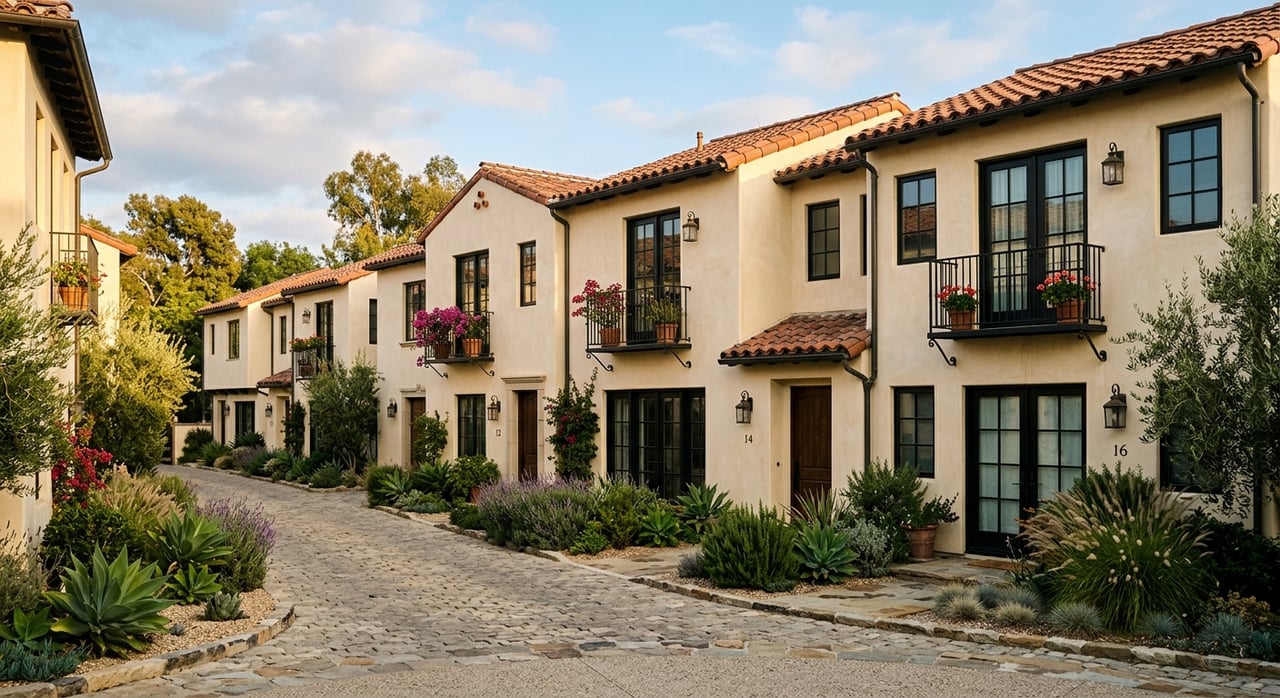
If you want a Silicon Valley investment that feels more manageable than a detached home, Santa Clara townhomes deserve a close look. You are not just buying square footage here. You are buying into a city with a dense job base, strong commuter connections, and a housing market where townhomes can offer a lower entry point than the broader average home value. In this guide, you will learn why Santa Clara stands out for long-term investors, what to watch for in HOA communities, and how to evaluate a townhome with both rental and future resale in mind. Let’s dive in.
Santa Clara has several fundamentals that support long-term housing demand. The city reports more than 12,000 businesses, including major employers like Applied Materials, Intel, Nvidia, Oracle, and Ericsson. It also notes more than $3 billion in new development projects on the horizon, which points to continued economic activity and reinvestment.
The city is also relatively compact at 19.3 square miles. In a market with limited land area, supply can stay constrained while employment and redevelopment keep moving forward. For you as an investor, that combination can matter over time.
Santa Clara also benefits from major local anchors beyond private employers. The city highlights Santa Clara University, Mission College, Levi's Stadium, and California's Great America as part of its economic landscape. That broad mix helps support steady demand from people connected to work, education, and local activity.
In a high-cost city, townhomes can offer a practical middle ground. Redfin reports 29 townhouses for sale in Santa Clara, with a median listing price of $1.26 million and typical market time of about 13 days. Zillow's broader city snapshot puts the average home value at $1,766,558, which shows why many buyers and investors look at townhomes as a more accessible entry point.
That does not make every townhome a bargain. HOA dues, location, parking, layout, and condition all affect value. Still, if you want exposure to Santa Clara without taking on the higher price and maintenance load of a detached home, townhomes can be a smart lane to explore.
Another advantage is flexibility. For some buyers, the best long-term purchase is a home that works as a rental now and could also work as a personal residence later. In a commuter-oriented market like Santa Clara, that flexibility can give you more options over time.
Santa Clara's rental numbers help explain why investors keep this city on their radar. Census QuickFacts reports an owner-occupied housing rate of 40.8% and a median gross rent of $3,016 for 2020 through 2024. Zillow's rental snapshot shows an average rent of $3,727 as of April 30, 2026, up 6.1% year over year.
Those figures point to a high-cost rental environment with a significant renter base. For you, that means a townhome is not just competing in a low-demand fringe market. It is part of a city where many residents already rent and where housing costs remain elevated.
Inventory also looks relatively tight in current snapshots. Zillow shows 15 townhome rentals in Santa Clara, while Redfin shows a small pool of for-sale townhouses with fast market times. These are snapshots, not guarantees, but they support the case that well-located townhomes can attract attention from both renters and future buyers.
Santa Clara's transit network is one of the clearest long-term advantages for townhome owners. Caltrain lists Santa Clara station connections to VTA routes 21, 22, Rapid 522, 53, 59, and 60, along with ACE and Capitol Corridor. Caltrain also says its electric service can get riders from San Francisco to San Jose in about an hour, with weekday rush service every 15 to 20 minutes and weekend service every 30 minutes.
That level of connectivity matters because it broadens your potential audience. A townhome near Santa Clara's transit core may appeal to commuters, local professionals, and future owner-occupants who want easier mobility across the region. Even if a tenant drives most days, transit access can still add value when you lease or resell.
There are also future transit and planning catalysts worth watching. VTA says the Santa Clara BART Phase II station will be adjacent to the Santa Clara Caltrain Station and will connect to Caltrain, Capitol Corridor, ACE, and several VTA bus lines. VTA also notes that the Santa Clara Transit Center site falls within the city's Santa Clara Station Area Specific Plan study area, a 2024 to 2026 planning effort intended to guide long-range land use and circulation around a more active transit hub.
For a buy-and-hold strategy, that does not mean you should count on instant appreciation from future projects. It does mean you should pay attention to properties that already benefit from strong transportation access today and may gain broader appeal as the transit core evolves.
Townhome investing in California often means buying into a homeowners association. The California Department of Real Estate explains that common interest developments can include townhouses, and membership in the association becomes automatic when you purchase in the community. That means the HOA is not a side detail. It is a central part of ownership.
The community's CC&Rs set the rules for common area responsibilities, assessments, insurance requirements, and architectural controls. If you are analyzing a property as an investment, these documents matter as much as the floor plan and price. They help define what you can do, what you must pay, and what risks may sit ahead.
The DRE also notes that associations collect regular assessments for ongoing operations and reserves, and they can levy special assessments for major repairs or unexpected costs. In simple terms, your monthly dues are only part of the story. You also need to understand the reserve position and the potential for future expenses.
California Civil Code section 4775 generally makes the association responsible for repairing, replacing, and maintaining common area, while the owner is responsible for the separate interest. Responsibility for exclusive-use common area can vary based on the governing documents. That is why you should never assume two townhome communities operate the same way.
Before you move forward on a Santa Clara townhome, focus on a few practical items first. These details can shape your cash flow, your leasing options, and your long-term ownership experience.
California Civil Code section 4525 requires a seller to provide governing documents, current regular and special assessments and fees, unpaid amounts, and any rental prohibition in the governing documents before transfer. For you, that means lease rules and fee exposure should be reviewed early, not after you are emotionally committed.
The California Department of Real Estate also notes that there is no state or local agency that directly regulates associations. That is one more reason document review matters. If a community has weak reserves, unclear maintenance lines, or restrictive rental rules, those issues can directly affect your returns.
A good Santa Clara townhome can look attractive at first glance, but long-term investing works best when you go deeper than list price. A practical review process can help you compare communities more clearly and avoid expensive surprises.
This kind of property often works best when it checks boxes for more than one buyer pool. If a townhome is easy to maintain, close to transportation, and located in a community with manageable HOA risk, it may be more resilient over time.
Long-term investing is usually less about chasing a perfect short-term number and more about buying something durable in the right location. In Santa Clara, that can mean choosing a townhome that balances price, convenience, and manageable ownership structure. A property that appeals to renters today and owner-occupants later can give you more flexibility when market conditions shift.
That is where local guidance can make a real difference. Every HOA is different, every micro-location performs a little differently, and not every listing tells the full story. Working with someone who understands Santa Clara townhome communities can help you move faster, ask better questions, and focus on the opportunities that fit your long-term plan.
If you are weighing Santa Clara townhomes as a buy-and-hold investment or a future live-in option, Kim Adams can help you evaluate inventory, off-market opportunities, HOA considerations, and neighborhood-level tradeoffs with a clear, concierge-level approach.

Her local expertise, elevated marketing strategies, and concierge‑level service ensure every client feels inspired, supported, and confident, whether buying, selling, or investing.

Kim Adams | CA DRE# 01375840
1133 Minnesota Ave San Jose, CA 95125