
Understanding Your Home Inspection Contingency in Milpitas
January 1, 2026
January 1, 2026
Buying in Milpitas and heard the term “inspection contingency,” but not sure what it really means for you? You are not alone. First-time buyers often juggle tight timelines, competitive offers, and big decisions. A clear plan for inspections can protect your budget and your peace of mind. In this guide, you’ll learn what an inspection contingency covers, how timelines work, which inspections to prioritize in Milpitas, and how to negotiate repairs or credits without losing the deal. Let’s dive in.
An inspection contingency is a clause in your purchase contract that gives you time to hire inspectors, review findings, and decide how to proceed. During this period, you can accept the home as-is, request repairs or credits, or cancel if serious issues are uncovered, according to your contract terms.
In California, this language is typically included in the Residential Purchase Agreement and related addenda used by local agents. For background on standard forms and buyer advisories, review the California Association of REALTORS resources at the California Association of REALTORS website.
Seller disclosure laws work alongside inspections. California requires sellers to disclose known material facts about the property, including a Transfer Disclosure Statement and a Natural Hazard Disclosure. If the home was built before 1978, federal law requires a lead-based paint disclosure and gives buyers a period to check for hazards. You can learn more at the EPA’s overview of lead-based paint disclosure rules.
The key takeaway: the contingency spells out your timeline and options. Use it to investigate the property and protect your deposit while you decide whether to proceed, negotiate, or cancel.
Contingency periods are negotiable and often reflect market conditions:
Shorter timelines can make your offer more attractive to a seller, but they increase your risk if you need specialty inspections. Your agent will help balance speed and protection based on current Milpitas conditions.
Your contingency period begins on the date set in your contract. Mark deadlines right away.
Call vetted inspectors the same day your offer is accepted. Schedules fill quickly. Confirm the scope of work for a general inspection and any specialty inspections you want.
Expect a written report with photos and recommendations. You then decide whether to proceed, ask for repairs or credits, or cancel within the contingency period.
If you request repairs or credits, the seller can agree, counter, or decline. If you cannot reach agreement on material issues, your contract usually lets you cancel within the contingency window. Removal of the contingency typically requires your signed notice.
Every home is different, but Bay Area buyers often order these inspections:
Ask each inspector what is included, and decide whether to add specialists based on the home’s age, condition, and red flags.
Milpitas sits in a seismically active region. Older homes may benefit from seismic upgrades, and some properties can be near mapped fault zones. Review the California Geological Survey’s Alquist-Priolo fault zone resources and the state hazard map portal for context. A general inspector may suggest a structural engineer if they see foundation or bracing concerns.
Water management matters. Inspectors look for proper grading, working gutters and downspouts, and signs of hillside movement or retaining wall stress. Poor drainage can lead to moisture intrusion and mold.
Unpermitted additions or conversions are common across older Bay Area housing stock. Verify permit records with the city. Start with the City of Milpitas Building Safety and Housing Department to understand past permits and approvals.
Many older homes have aging sewer laterals that can crack or clog. A sewer scope is a smart add-on inspection. Some Bay Area cities require compliance or inspection at sale, or at time of major remodel. Requirements can change. Contact the City of Milpitas Public Works Department to confirm current rules and process.
Wood-destroying organisms are common in our climate. A WDO inspection helps identify active infestation, dry rot, or moisture damage. Pair this insight with roof and drainage findings to understand total repair exposure.
Lead with significant items like foundation, roof, electrical safety, plumbing failures, active leaks, and sewer defects. Sellers are more likely to address major concerns than cosmetic items.
Credits can be cleaner than asking a seller to do work before close. You control the contractor and timeline. Use licensed contractor estimates to support your request.
If work must happen after closing, you can agree on an escrow holdback. This is when funds are set aside at closing to pay for specified repairs by a deadline. Your contract addendum should list scope, amount, contractor requirements, and completion date.
Put all repair, credit, or price changes into a signed addendum. Require licensed contractors for any agreed work and ask for receipts or completion certificates.
Here are examples of plain-language protections you can discuss with your agent:
Shortening or waiving your inspection contingency can help your offer compete, but it reduces your leverage and increases the chance of surprise costs. A compressed window might not allow time for a sewer scope or a structural engineer visit. Be honest about your risk tolerance and your budget for repairs, and plan accordingly.
A clear inspection strategy can save you time, stress, and money. With a concierge approach, a local advisor can line up trusted inspectors, review reports with you, pull permit history, and keep your timeline on track. If you want a calm, organized path from offer to close in Milpitas and greater Silicon Valley, connect with Kim Adams to map your plan and schedule your inspections quickly.
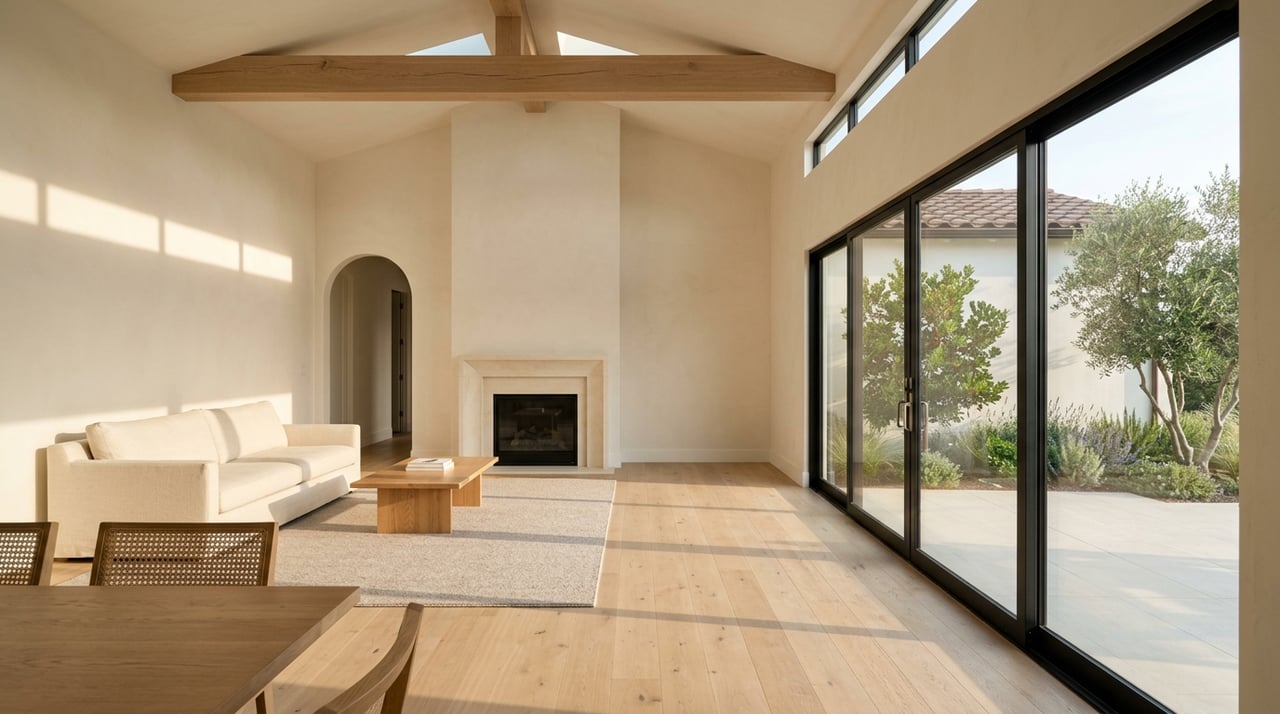
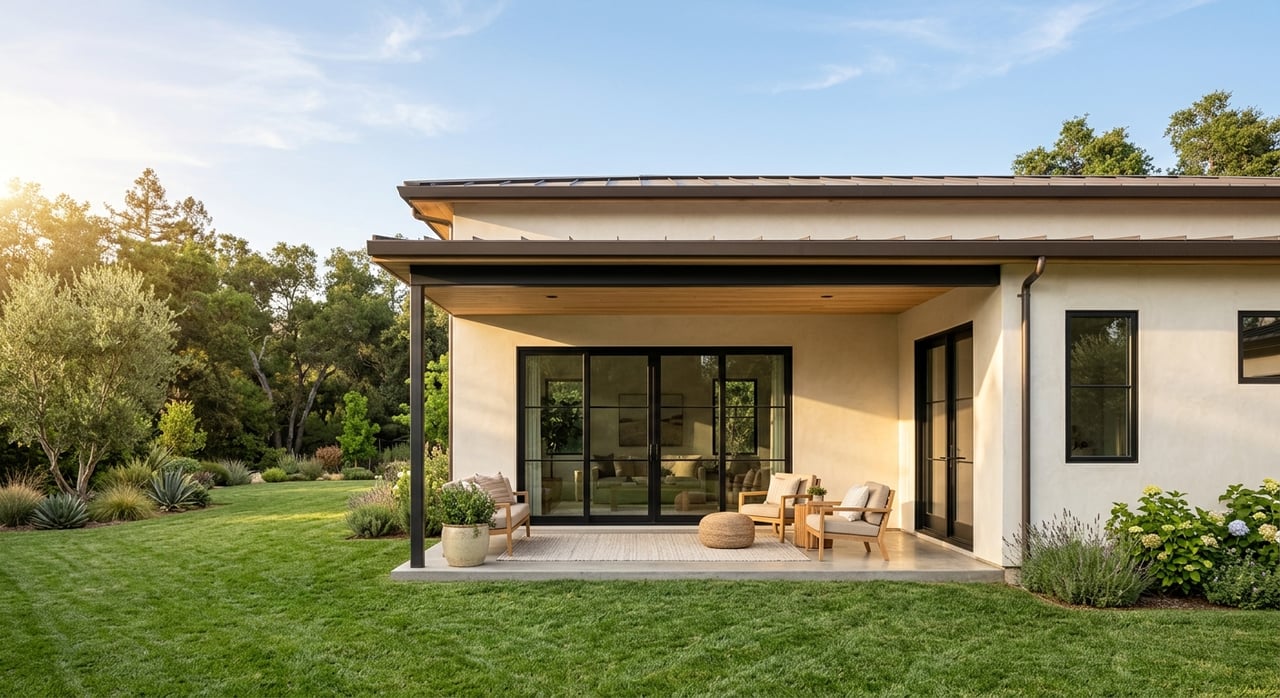
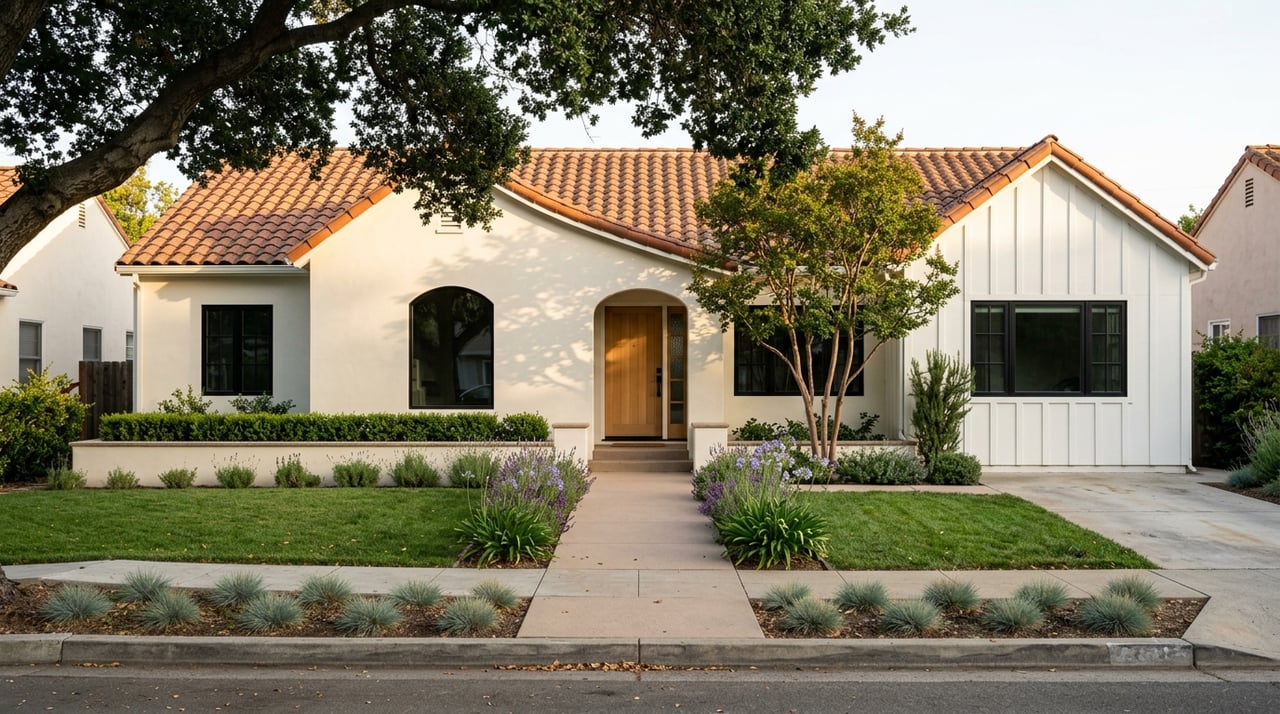
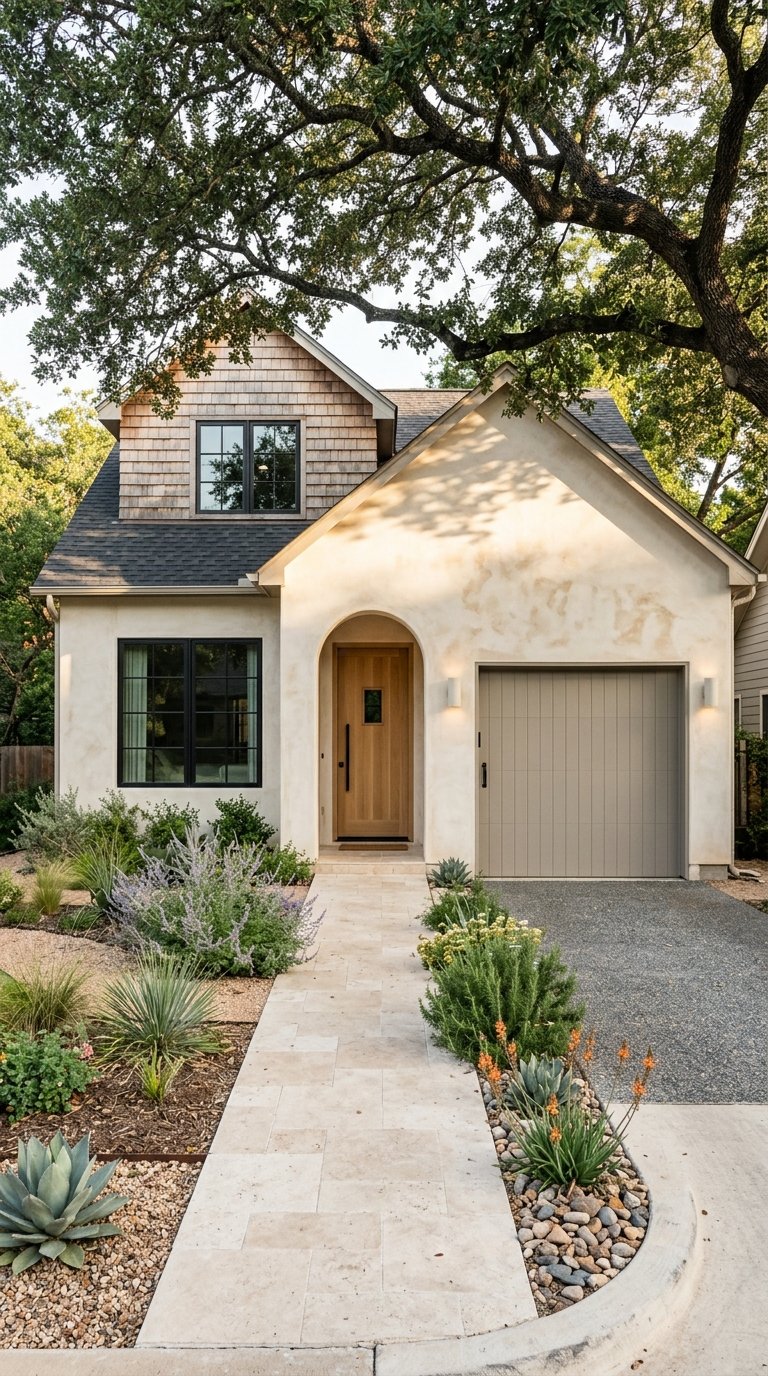

Her local expertise, elevated marketing strategies, and concierge‑level service ensure every client feels inspired, supported, and confident, whether buying, selling, or investing.

Kim Adams | CA DRE# 01375840
1133 Minnesota Ave San Jose, CA 95125