Thinking about your next move and wondering if you should buy your Willow Glen home before you sell? Timing two transactions can feel like a puzzle, especially in a neighborhood where great homes attract strong interest. You want a smooth handoff, competitive offers, and minimal stress. In this guide, you’ll learn how each option works, what it costs, and how to choose the path that fits your timeline, risk tolerance, and budget. Let’s dive in.
Willow Glen market reality
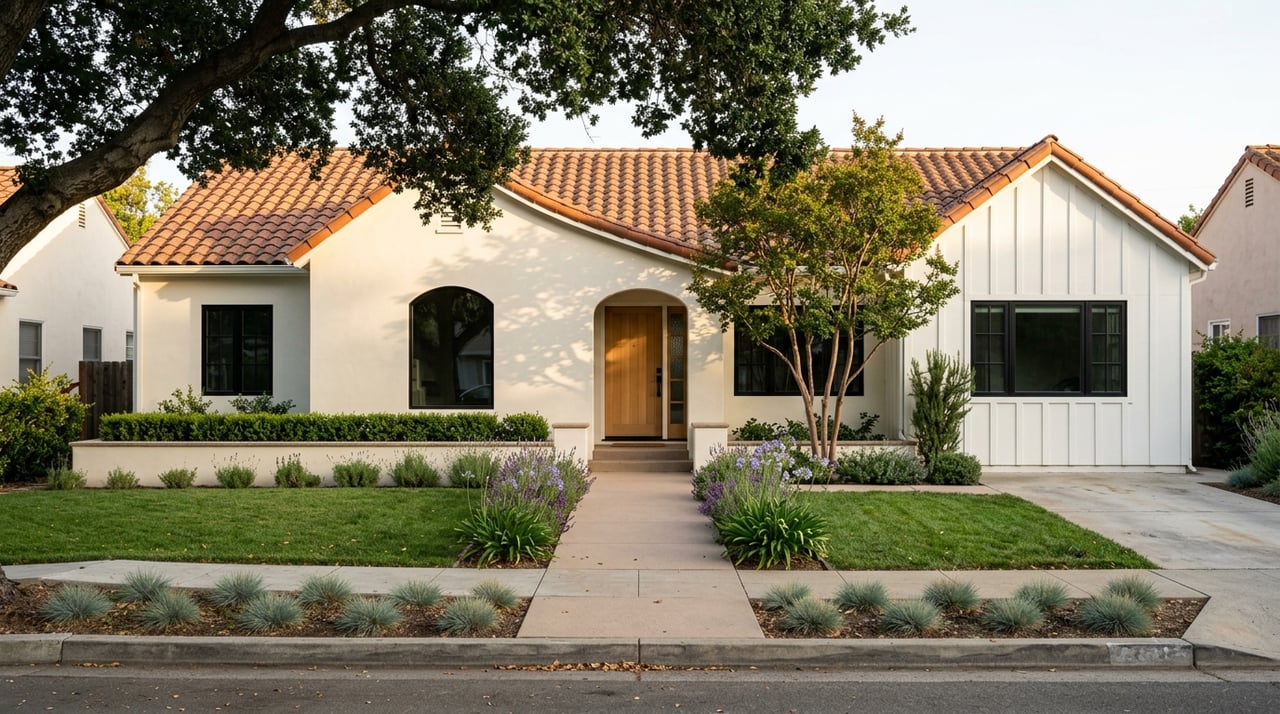
Willow Glen is a sought-after San Jose neighborhood with tree-lined streets and a mix of classic homes and thoughtful remodels. Inventory often runs tight compared with broader Santa Clara County, so the best listings can draw multiple offers. In a competitive moment, sellers prefer clean terms and fewer contingencies. In a calmer moment, you may secure a sale contingency or a rent-back more easily.
Before you choose a path, check current inventory, days on market, and whether conditions favor buyers or sellers. In a rising market, buying first may expose you to higher carrying costs if your current home takes longer to sell. In a softer market, selling first can feel safer, but you may face fewer immediate purchase options.
Two paths: buy first or sell first
You generally face two main approaches:
- Buy first, then sell: You prioritize winning the next home with a stronger offer. You may use short-term financing or equity from your current home. This reduces moving stress but adds temporary carrying costs and risk if your sale takes longer.
- Sell first, then buy: You prioritize certainty. You lock in your sale, then shop with proceeds in hand. This avoids double payments but may require temporary housing and a second move.
Your best choice depends on equity, cash reserves, risk tolerance, and how competitive the Willow Glen market is right now.
Buy-first financing options
Bridge loans
What it is: A short-term, interest-only loan that provides funds to purchase your next home while you wait to sell your current property. It is usually secured by one or both homes and is repaid when your current home sells.
When it fits: You have strong equity and need to act quickly on a desirable home. You are comfortable with short-term higher costs to write a more competitive, non-contingent offer.
Pros:
- Positions you to compete with non-contingent or cash-like terms.
- Enables a faster close on the replacement home.
- Lets you avoid a temporary rental.
Cons:
- Higher interest rates and fees than a standard mortgage.
- Short terms, typically 6–12 months, with strict underwriting.
- May require a clear plan to sell your current home.
Key risks:
- If your home does not sell within the bridge term, you face extension fees and ongoing interest costs.
- Cross-collateralization or second-lien structure can complicate future refinancing.
- Appraisal challenges or declining values can reduce available funds.
HELOC or home equity loan
What it is: You tap your home’s equity through a line of credit (HELOC) or a fixed-term home equity loan to fund a down payment or part of the purchase.
When it fits: You have sizable equity and qualify to carry your existing mortgage plus a new loan temporarily.
Pros:
- Often lower setup costs than a bridge loan.
- HELOC flexibility to draw funds as needed.
- Can be simpler to set up than other short-term products.
Cons:
- Variable HELOC rates can change your payment.
- Lenders qualify you on combined debt, which can limit buying power.
- Some lenders restrict use if you are purchasing another property.
Key risks:
- Higher payments if rates rise.
- Servicing two mortgages plus a HELOC if your home takes longer to sell.
Cash-out refinance
What it is: You refinance your current mortgage and pull cash out to use as your down payment on the next home.
When it fits: You have enough equity, and current rates and closing costs make sense relative to your goals.
Pros:
- Usually lower rates than bridge loans.
- Consolidates funds without adding a second lien.
Cons:
- Resets your mortgage term and rate.
- Longer processing time and full underwriting.
- Program limits may apply if you plan to carry two properties.
Key risks:
- Appraisal results can limit cash-out.
- Market rate changes may make the refinance less attractive by the time you are ready to move.
Contract strategies to align closings
Sale contingency
What it is: Your purchase depends on the successful sale of your current home within a set timeframe.
When it fits: You prefer not to carry two mortgages and do not plan to use bridge financing. The market needs to be flexible enough for sellers to accept this.
Pros:
- Limits your financial exposure if your home sale takes longer.
- Provides a clear exit if your sale does not materialize.
Cons:
- Less attractive to sellers in competitive conditions.
- You may need to offer stronger pricing or terms to compensate.
Key risks:
- Sellers may keep marketing the home and pressure timelines.
- You must be ready to act fast if asked to remove the contingency.
Kick-out clause
What it is: The seller accepts your contingent offer but reserves the right to accept another offer unless you remove your contingency within a short window, often 48–72 hours.
When it fits: A balanced market where both sides want flexibility.
Pros:
- Keeps you in position while you work to sell your home.
- More acceptable to sellers than an open-ended contingency.
Cons:
- You may need to accelerate your sale or walk away on short notice.
- Added stress and potential sunk costs.
Longer close date
What it is: You negotiate a longer escrow period to synchronize your sale and purchase closings.
When it fits: Both sides can accommodate timing, and your lender can support a longer rate lock.
Pros:
- Reduces overlap and the need for temporary housing.
- Provides breathing room to prep and list your current home.
Cons:
- Rate-lock extensions can add cost.
- Some sellers prefer a quicker close.
Rent-back (leaseback)
What it is: After selling your home, you rent it back from the buyer for an agreed period. The buyer owns the home, and you stay as a tenant until your purchase closes.
When it fits: You need days or weeks to complete your purchase or coordinate a move, and the buyer is comfortable as a temporary landlord.
Pros:
- Smooths your move without a short-term rental.
- Lets you close your sale and unlock proceeds before your purchase.
Cons:
- Buyer becomes a landlord with insurance and liability considerations.
- Longer rent-backs add risk if move-out is delayed.
Key risks:
- Disputes over condition or timing; in California, eviction can be time-consuming if issues arise.
- You need clear written terms for rent, deposit, insurance, duration, and move-out condition.
Sell first with temporary housing
What it is: You complete your sale, then secure a short-term rental or stay with family while you shop for your next home.
Pros:
- Removes pressure to accept a low offer on your sale.
- Lets you shop deliberately and negotiate from a stronger position.
Cons:
- Additional housing and storage costs.
- Moving twice and potential disruption to your routine.
Cost and risk checklist
Budget for more than the purchase price. Plan for:
- Temporary double payments: two mortgages, or a mortgage plus a bridge loan or HELOC.
- Bridge or HELOC fees, and potentially higher short-term interest rates.
- Rate-lock extensions if closings slip past 30–60 days.
- Two sets of insurance, property taxes, and any HOA dues.
- Staging, storage, and moving costs.
- Standard transaction costs on both sale and purchase.
- Legal or administrative costs if you use a rent-back.
A simple rule: if you carry two residences longer than a few months, expect a materially higher monthly outlay. Ask your lender to model 1-, 3-, 6-, and 12-month carrying scenarios.
Lender and appraisal realities
- Debt-to-income and reserves: If you plan to own two homes briefly, many lenders qualify you using payments on both. Some require reserves to cover several months on each property.
- Underwriting varies: Bridge loans, HELOCs, and cash-out refinances have different approval standards. Private bridge lenders may assess risk differently than conventional lenders.
- Appraisal risk: Low appraisals can reduce funds for cash-out or force renegotiation on your purchase or sale. Build in time for appraisal and any follow-up.
- Timing and locks: Typical escrows run 30–45 days. Rate locks often cover 30–60 days and can be extended for a fee. Confirm timelines with your lender at the start.
Timing playbook for Willow Glen
Use this practical sequence to reduce friction:
- Confirm market temperature
- Review recent Willow Glen sales, active listings, and days on market.
- Decide if you need the competitiveness of a buy-first plan or the certainty of a sell-first plan.
- Run your financing scenarios
- Get a full pre-approval.
- Ask for quotes on a bridge loan, a HELOC, and a cash-out refinance.
- Have your lender confirm whether you can qualify while carrying two homes and what reserves are required.
- Prep your current home early
- Line up staging, photography, and a pricing strategy to keep days on market tight.
- Pre-schedule inspections and minor fixes to avoid surprises.
- Choose the right contract tools
- If buying first: plan for a non-contingent offer supported by bridge or equity funds, plus a clear timeline to list and sell your current home.
- If selling first: negotiate a rent-back or longer close to bridge to your purchase.
- For a middle ground: consider a sale contingency with a kick-out clause in a balanced market.
- Coordinate calendars
- Align appraisal windows, contingency deadlines, and close dates across both transactions.
- Confirm rate-lock dates and potential extension fees.
- Protect yourself in writing
- For rent-backs: specify rent, deposit, duration, insurance, and move-out condition.
- For contingencies: set clear timelines and remedies in case milestones are missed.
How to choose your path
Weigh these variables:
- Market dynamics: Is Willow Glen leaning seller or buyer today?
- Equity and reserves: Do you have the cushion to carry two homes briefly?
- Risk tolerance: How comfortable are you with short-term debt or timing pressure?
- Timeline: Are school, commute, or job start dates forcing a narrow window?
- Financing: Can you secure a bridge loan, HELOC, or cash-out at acceptable terms?
- Competitiveness: Are you targeting homes that will likely draw multiple offers?
Rules of thumb:
- Consider buy-first with a bridge or HELOC if you have strong equity, need a non-contingent offer, and can manage short-term costs.
- Consider sell-first or a sale contingency if you want maximum certainty and can handle a rent-back or short-term rental.
- Use a rent-back for short gaps measured in days or weeks. For longer gaps, plan on temporary housing.
- Longer closings help align dates but require careful lender coordination on rate locks.
Work with a local guide
Moving within Willow Glen should feel organized, not overwhelming. With concierge coordination, polished marketing, and lender introductions, you can line up the right financing, structure the right terms, and time both closings with confidence. If you want help mapping the best route for your situation, reach out to Kim Adams to schedule a free consultation or get your free home valuation.
FAQs
Will Willow Glen sellers accept a sale-contingent offer?
- It depends on market conditions. In competitive moments, sellers usually prefer non-contingent offers; in cooler periods, a well-priced contingent offer with strong financing can work.
How long is a typical rent-back after selling my home?
- Short rent-backs often run from a few days to a few weeks. Longer periods raise insurance, legal, and timing risks and should be supported by clear written terms.
Are bridge loans a common solution in Silicon Valley?
- Yes. Many banks and private lenders offer bridge programs, but pricing, terms, and approval standards vary, so request quotes and timelines before you write offers.
What if an appraisal comes in low on my purchase or sale?
- A low appraisal can reduce the amount a lender will finance. You may need to bring more cash, renegotiate, request a reconsideration of value, or rely on contingencies to exit.
How can I avoid owning two homes longer than planned?
- Build conservative timelines, price your current home competitively, use flexible financing that allows quick payoff after your sale, and keep temporary housing as a back-up plan.