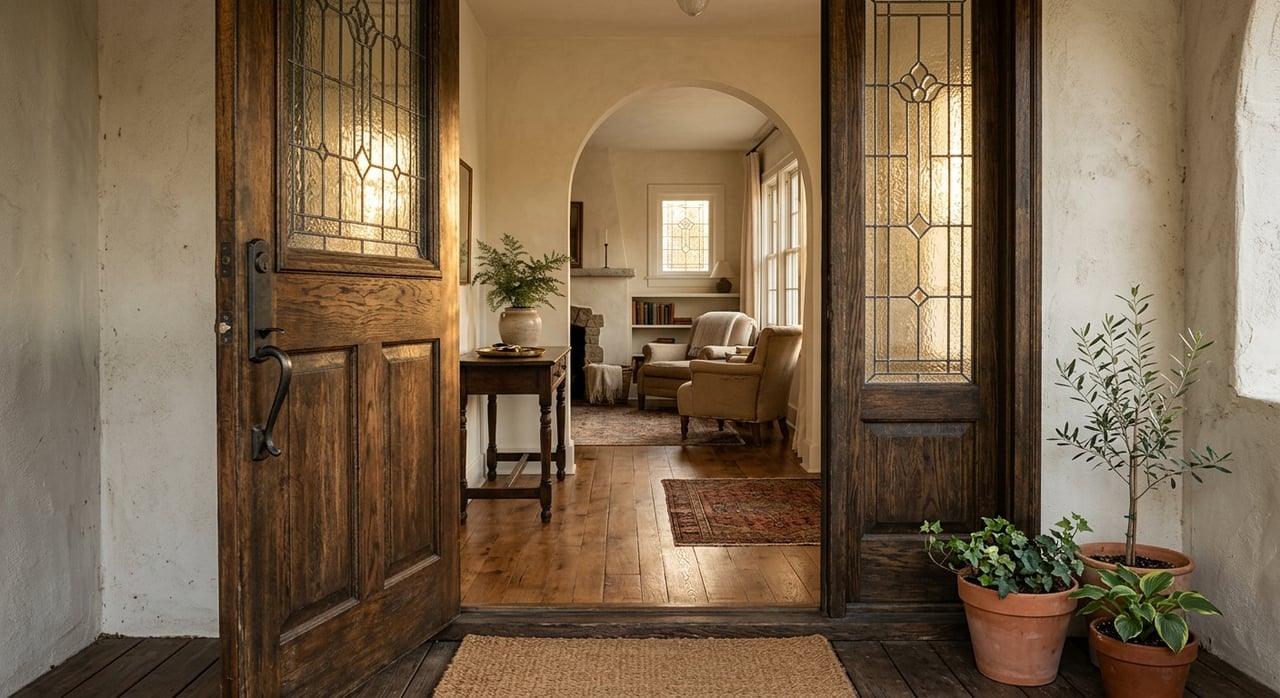
What to Know About Buying a Character Home in Rose Garden
July 2, 2026
July 2, 2026
If you are drawn to homes with original charm, mature landscaping, and details you do not see in newer construction, San Jose’s Rose Garden likely feels like a natural fit. Buying a character home here can be exciting, but it also calls for a more careful approach than buying a newer property. When you understand the architecture, permit rules, and likely repair priorities, you can move forward with more confidence. Let’s dive in.
The Rose Garden area developed in the 1930s, which helps explain why so many homes here reflect early- to mid-20th-century design rather than newer tract construction. The long presence of the Municipal Rose Garden, set aside in 1927 and dedicated in 1937, also shaped the area’s lasting garden-centered identity.
For buyers, that means you are often shopping for more than square footage. You are looking at older architectural fabric, original materials, and homes that may need a more thoughtful maintenance and renovation plan.
It is also important not to assume every older-looking house is regulated the same way. San Jose notes that inclusion in a historic survey does not automatically mean a property has formal historic designation, so each address needs to be checked individually.
In Rose Garden, a character home usually means an older property with visible architectural detail, period craftsmanship, and a design style tied to a specific era. Some homes may be highly intact, while others may have a mix of original and updated features.
San Jose’s historic context materials point to a few style families buyers are especially likely to see in this part of the city. Knowing the basics can help you quickly spot what gives a home its appeal and what features may be worth preserving.
Craftsman and California Craftsman homes are often what buyers picture first when they think about a classic character property. These homes typically feature low- to moderate-pitched roofs, deep eaves, exposed rafter tails, broad gables, and substantial front porches.
They tend to have a strong horizontal feel and a warm, grounded look from the street. Original trim, porch details, windows, and siding often play a big role in their visual appeal.
Tudor Revival homes usually stand out for their steeper roofs and more storybook appearance. You may see decorative half-timbering, stucco or brick exteriors, and more varied massing than in a simpler bungalow.
These homes often feel especially distinctive, which can make exterior changes more sensitive. If you are considering updates, it helps to understand which features define the style before making plans.
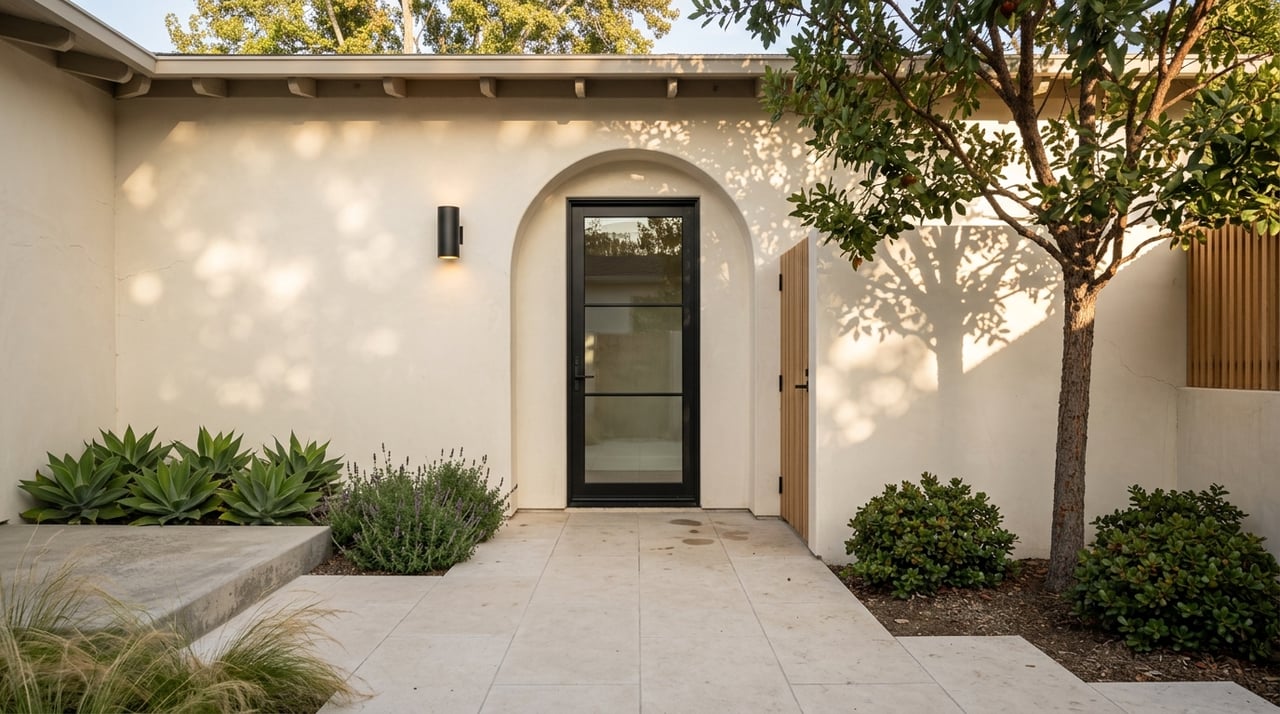
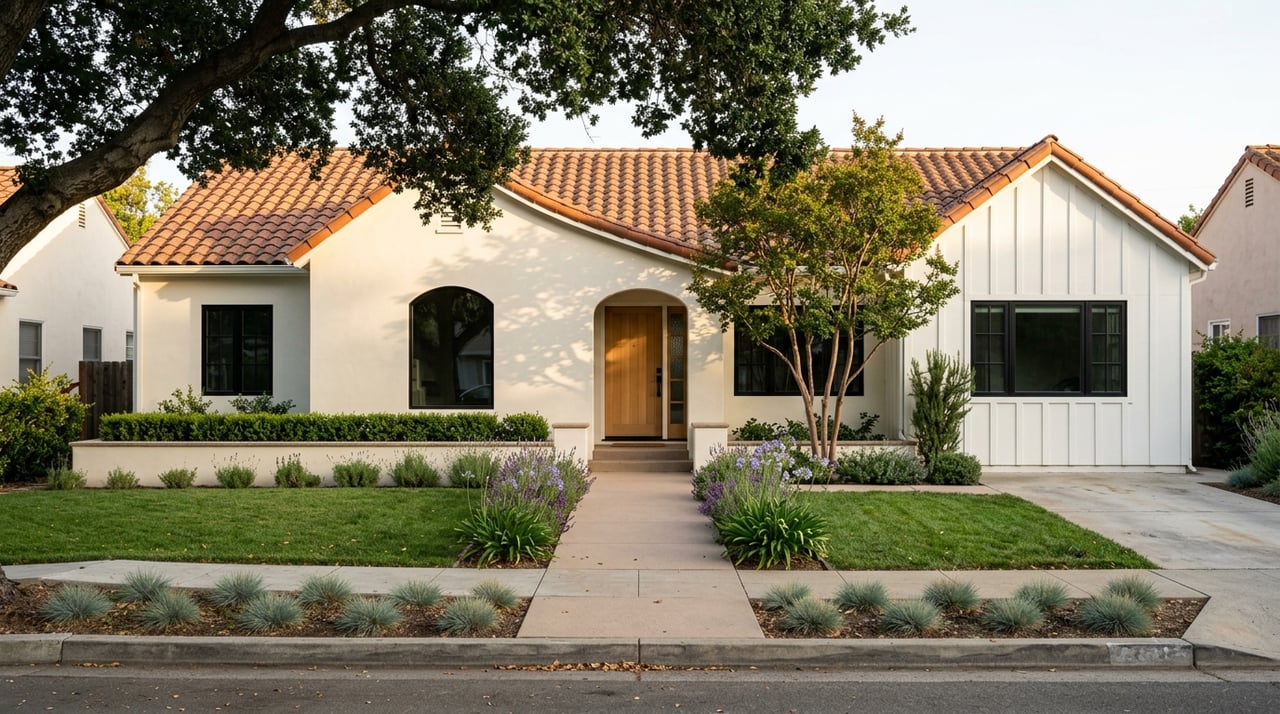
Spanish Colonial Revival and Spanish Eclectic homes often include stucco walls, tile roofs, wrought-iron accents, exposed beams, and heavier trim details. These homes usually bring a more decorative exterior style and a strong sense of period design.
Because roofing and exterior materials are central to the look, replacement choices can have a big impact on the home’s character. That is one reason early planning matters.
Colonial Revival homes often have symmetrical facades, centered entries, and restrained classical trim. They usually feel more formal and balanced than Craftsman homes.
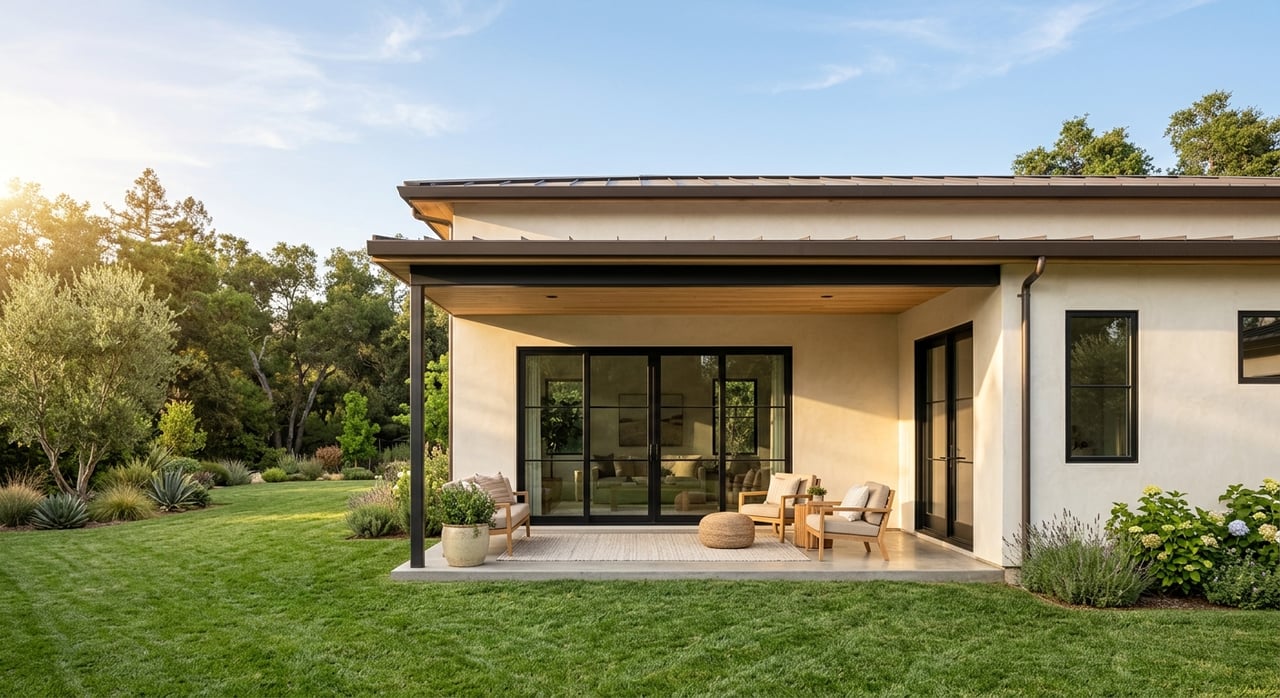
You may also see Ranch and Custom Ranch homes from the postwar period. These houses tend to have low horizontal massing, patios, attached garages, and a stronger indoor-outdoor connection, even if the ornament is simpler.
It is easy to fall in love with original millwork, old windows, and a welcoming porch. Those features matter, but older homes should also be evaluated through the lens of maintenance, safety, and permit history.
San Jose’s old-house guidance recommends a clear order of work. First come life-and-safety items such as faulty electrical or heating systems. Next come weatherproofing issues like the roof, gutters, flashings, siding, paint, windows, and drainage. After that, owners should address plumbing, dry rot, and foundation problems before focusing on cosmetic upgrades or added amenities.
That order is useful for buyers because it helps you separate charming imperfections from truly important repair items. A beautiful kitchen matters less if the roof or drainage needs attention first.
With older homes, replacement is not always the best answer. Preservation guidance favors repairing original features when possible rather than removing them by default.
That principle matters in Rose Garden because details like windows, trim, porches, and siding often help define the home’s architectural identity. If a distinctive feature does need replacement, the goal is usually to match the original design, color, texture, and, where possible, materials.
For you as a buyer, this affects both budget and planning. A house that seems to need simple updates may actually call for more specialized work if you want to keep its character intact.
Character homes can be rewarding, but they can also hide issues that newer homes may not. A careful review before you write or remove contingencies can save time, money, and stress.
If the home was built before 1978, it may contain lead-based paint. Buyers of most pre-1978 housing have the right to know about lead hazards before signing a contract.
If you plan to renovate after closing, this matters even more because work that disturbs lead paint must use certified renovators and lead-safe practices.
Asbestos concerns often become more important when remodeling will disturb older materials. If suspect materials are not damaged and will not be disturbed, testing may not always be necessary.
Still, if you are planning to open walls, replace flooring, or rework ceilings, it is wise to factor this into your due diligence and renovation planning.
California agencies note that no area of the state is without earthquake risk. For older houses, seismic retrofits may help reduce damage risk.
That does not mean every older home has a problem, but it does mean you should ask whether retrofit work has been done and review any related documentation if available.
In San Jose, reroofing 25 percent or more of a roof within 12 months requires a building permit. Historic properties may also need Planning clearance before the reroof permit is issued.
This is a practical issue for buyers because a roof that looks like a near-term project may involve more than just picking materials and scheduling a contractor.
One of the biggest questions with a Rose Garden purchase is whether the home is simply older or whether it is formally recognized in a way that affects permit review. That distinction can shape your renovation timeline, budget, and design options.
If a property is listed on San Jose’s Historic Resources Inventory, the permit path depends on its classification. The city uses categories such as City Landmark District, City Landmark Site or Structure, Structure of Merit, Contributing Site or Structure, and Identified Site or Structure.
For example, City Landmarks and properties within City Landmark Districts require a Historic Preservation Permit. By contrast, ordinary maintenance such as painting or in-kind repairs that do not change the exterior appearance does not require that permit.
Single-family properties listed on the inventory require a Single-Family House Permit, and many projects are handled at staff level. Demolitions and new house construction, however, trigger a public hearing process.
For character-home buyers, even relatively modest projects can matter. San Jose notes that minor exterior work commonly reviewed in historic contexts can include:
That does not mean every change is difficult. It does mean you should confirm the exact rules for the specific property before assuming your renovation plan is straightforward.
Established neighborhoods often come with mature trees, which many buyers love. In San Jose, though, tree work can affect both timing and cost.
The city requires permits for street trees, heritage trees, and ordinance-size trees in certain situations. The city’s Heritage Tree list identifies protected trees of special significance, so tree removal or major work may not be as simple as calling a landscaper.
When you are serious about a Rose Garden character home, focused due diligence can make a huge difference. A strong pre-offer review helps you understand whether the home’s charm comes with manageable upkeep or a more complex project list.
Here are some of the most practical questions to answer early:
San Jose’s old-house guidance recommends researching the house’s style and history first. That background helps you choose appropriate materials and hire contractors who are less likely to replace salvageable features too quickly.
The best Rose Garden purchases usually happen when emotion and due diligence stay in balance. You can absolutely fall in love with the porch, the built-ins, or the roofline, but you also want a clear picture of condition, permits, and likely near-term costs.
This is where local guidance matters. A character home often involves more moving parts than a newer property, from permit awareness to contractor coordination to deciding which original features should be preserved, repaired, or updated over time.
If you are considering buying in Rose Garden, working with someone who understands the neighborhood and can help you evaluate both charm and complexity can make the process much smoother. When you want thoughtful, high-touch guidance on buying a home in San Jose’s Rose Garden, connect with Kim Adams.
Her local expertise, elevated marketing strategies, and concierge‑level service ensure every client feels inspired, supported, and confident, whether buying, selling, or investing.

Kim Adams | CA DRE# 01375840
1133 Minnesota Ave San Jose, CA 95125