Preparing To Sell Your Evergreen Home In A Few Years
June 25, 2026
June 25, 2026
If you think selling your Evergreen home is still years away, now is actually a smart time to start. In a market like Santa Clara County, where the median sale price reached $1,645,066 in May 2026 and homes averaged 15 days on market, buyers still notice condition, upkeep, and presentation. A little planning today can help you avoid rushed decisions later, protect your time, and put you in a stronger position when it is time to list. Let’s dive in.
Selling in two to five years gives you something most sellers do not have enough of: time. That extra runway lets you spread out repairs, organize records, and make thoughtful updates instead of scrambling through a long to-do list right before your home hits the market.
Even in a strong local market, details still matter. Buyers compare homes closely, and the homes that feel well cared for and well presented often create better first impressions. Planning ahead can help you focus your budget on the changes most likely to support your sale.
Santa Clara County remains a premium, relatively fast-moving market. According to Redfin, the countywide median sale price was $1,645,066 in May 2026, and the average days on market was 15.
That kind of pace does not mean every home sells itself. It means buyers move quickly when a home feels ready, clear, and well positioned. If you expect to sell your Evergreen Park home in a few years, now is the time to think about maintenance, appearance, and documentation.
If you are deciding where to spend money, start with the basics. Deferred maintenance has a way of becoming more expensive over time, and unresolved issues can create stress when you are preparing to sell.
A repair-first approach often makes more sense than taking on major expansion projects. It gives you a cleaner home story, fewer last-minute surprises, and a more manageable budget over the next few years.
Pacific-region Cost vs Value data shows that smaller, visible updates often recoup more at resale than larger luxury projects. Projects like garage door replacement, steel entry door replacement, manufactured stone veneer, minor kitchen remodels, and fiber-cement siding tend to perform better than major additions.
By contrast, large projects such as major kitchen remodels, primary suite additions, and bathroom additions usually recoup less. If your goal is to sell in two to five years, that pattern supports a practical strategy: refresh what buyers see, repair what needs attention, and be cautious about oversized renovations.
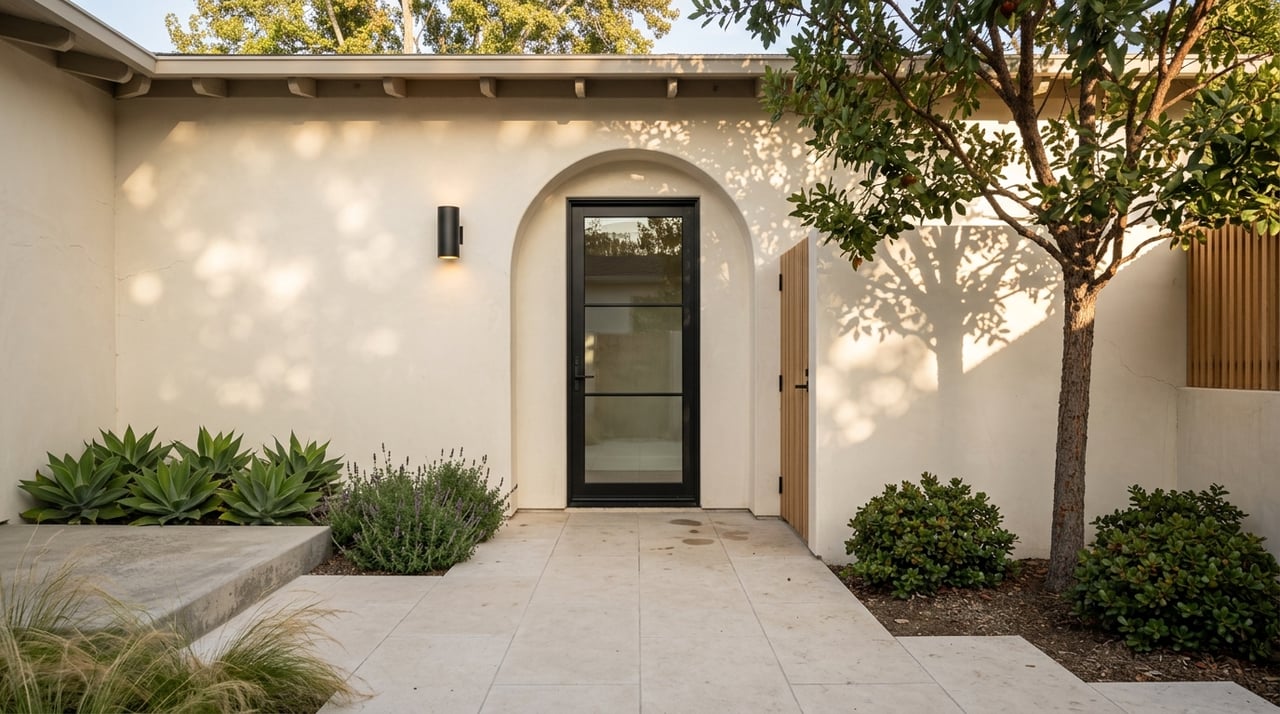
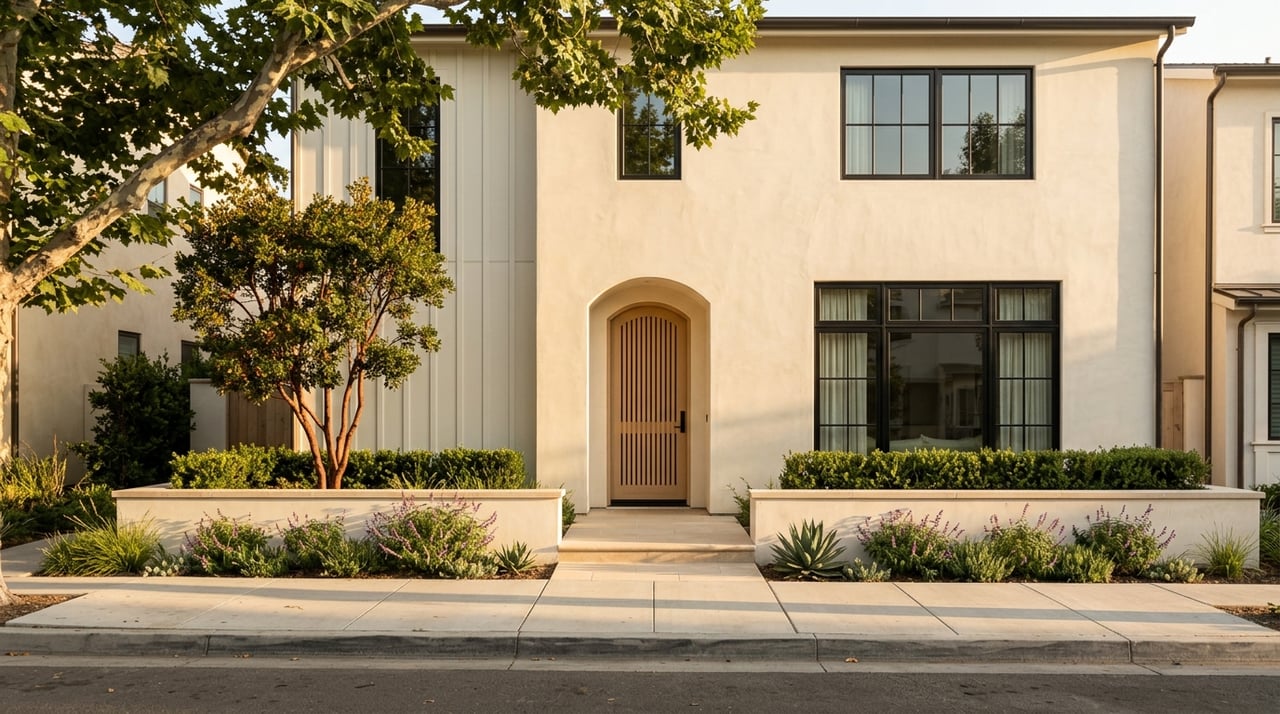
When you look around your home, pay attention to the features buyers will notice first. Entry doors, exterior finishes, basic kitchen wear, and overall curb appeal can shape how your home feels before a buyer ever looks at the square footage or floor plan.
This does not mean your home needs to look brand new. It means it should feel cared for, functional, and easy for a future buyer to understand and appreciate.
One of the most useful takeaways for future sellers is that presentation matters. NAR's 2025 staging report found that common seller recommendations include decluttering, cleaning, and improving curb appeal.
That same report found buyers' agents said staging helps buyers visualize a future home, especially in the living room, primary bedroom, and kitchen. They also rated photos, staging, video, and virtual tours as important listing assets.
If your move is still a few years away, you do not need to declutter everything at once. Instead, work through your home one area at a time.
A simple long-range plan can include:
This makes your future pre-listing prep much easier. It can also help you maintain a calmer, more functional home while you are still living in it.
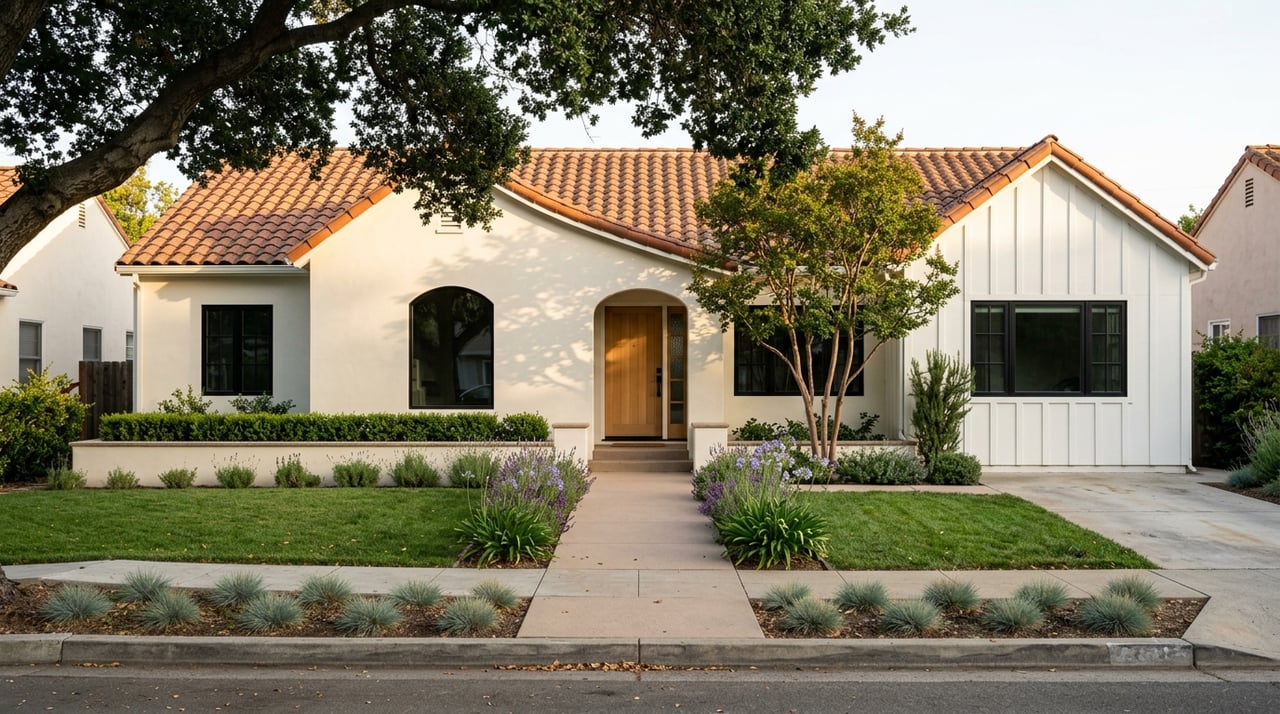
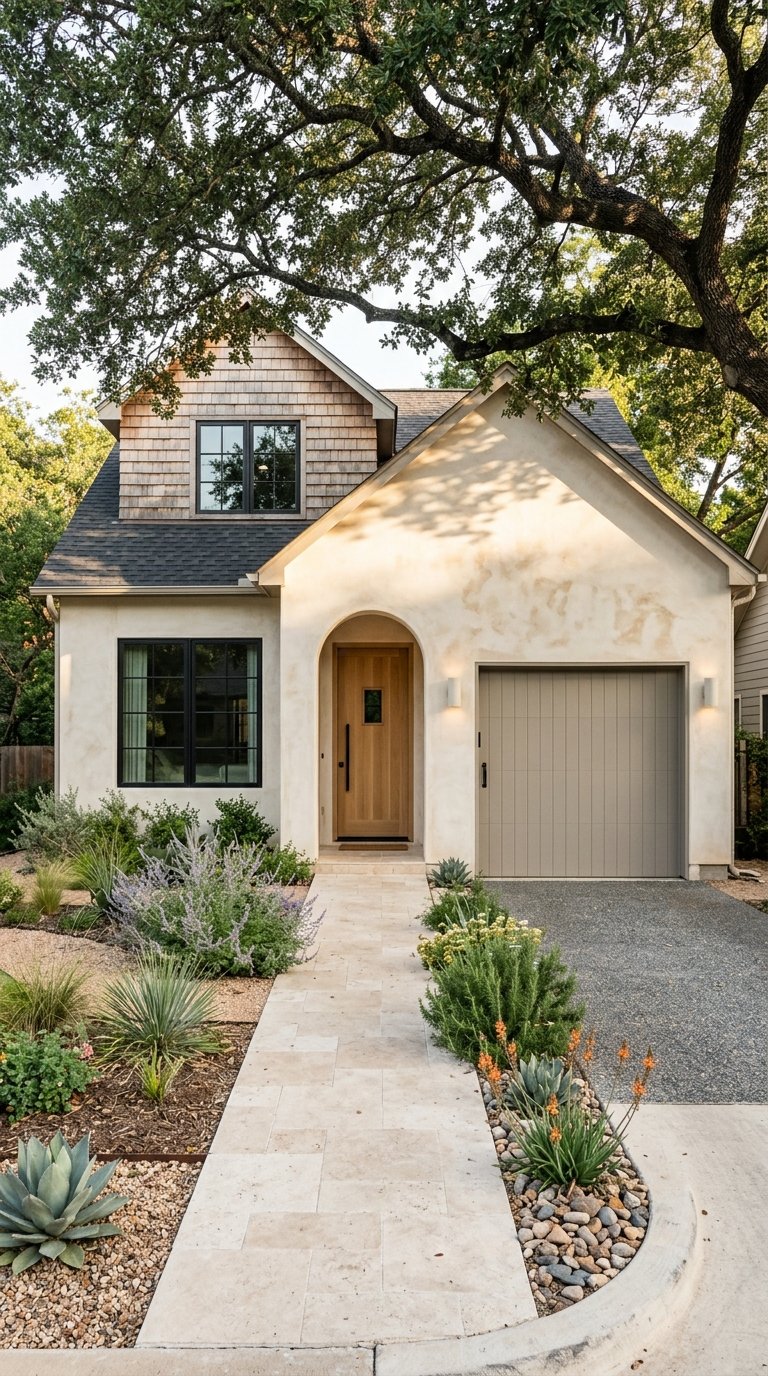
Curb appeal does not always require a big budget. Basic upkeep, tidy planting beds, fresh mulch, trimmed greenery, and a clean entry can all support a stronger first impression.
For Evergreen homeowners, water-wise landscaping may also be worth considering. Valley Water notes that lawns can be the single biggest water user on a typical property, with a small lawn using more than 18,000 gallons a year, and recommends reducing unused lawn and choosing climate-appropriate plants.
If you plan to update your exterior, a lower-water landscape strategy may help with both maintenance and long-term presentation. It can also make your yard easier to manage in the years leading up to your sale.
One of the best things you can do now is create a home file. When you eventually sell, organized records can save time and help support clear disclosures.
California's Transfer Disclosure Statement is a disclosure of condition, not a warranty, and it must be given as soon as practicable and before transfer of title. That is one reason it helps to understand your home's condition early instead of trying to piece everything together later.
Listing and selling brokers complete a competent visual inspection of accessible areas, but they do not inspect public records or permits. That makes your records especially useful during the sale process.
Try to keep these items together:
If you have completed work over the years, this file can become one of your most helpful seller tools.
San José requires permits for structural changes and for electrical, plumbing, or mechanical work. A reroof permit is also required when 25 percent or more of the roof is replaced in a 12-month period.
If you are planning improvements before your sale, make sure you understand whether a permit is required. Unpermitted work can create avoidable complications later, especially if questions come up during disclosures or buyer review.
Some of the most important pre-sale tasks have nothing to do with decor. If your property may be affected by wildfire or flood concerns, it is wise to check those issues well before listing.
San José offers address-level tools for fire hazard and flood zones, and California fire maps classify areas as moderate, high, or very high hazard. For hillside, wildfire-adjacent, or flood-sensitive properties, early review can help you prepare records, understand potential concerns, and plan for any home-hardening or defensible-space work that may be relevant.
Homes built before 1978 come with additional federal lead-based paint disclosure obligations. Sellers must disclose known lead-based paint information, provide available records and reports, give a lead pamphlet, and allow a 10-day inspection period.
If that applies to your home, start gathering any reports or past documentation now. Early organization can make the future sale process more straightforward.
You do not need to wait until you are ready to list to talk with an agent. In California, the seller's agent must provide the disclosure form before entering the listing agreement, so an early planning conversation is a normal and helpful part of the process.
If you expect repair questions, permit questions, or layout decisions in the next few years, it often makes sense to speak with an agent first. That way, you can prioritize the right work before spending money in the wrong places.
For many future sellers, the best sequence looks like this:
This approach keeps the final stretch focused on presentation rather than construction. It is also a better fit for busy homeowners who want a calmer, more organized sale.
NAR's 2025 staging report found that 83 percent of buyers' agents said staging makes it easier for buyers to visualize a future home, 29 percent said staging increased the dollar value offered by 1 to 10 percent, and 49 percent of sellers' agents saw faster sales. Those numbers support using staging as a finishing step once the home's condition is already in good shape.
If you want a simple roadmap, focus on steady progress instead of trying to do everything at once. A few smart steps each year can make a big difference by the time you are ready to sell.
Preparing early does not mean over-improving your home. It means staying ahead of the items that tend to create delays, confusion, or rushed spending.
For an Evergreen Park homeowner, the smartest plan is usually the simplest one: maintain the home well, make targeted updates, keep records organized, and get expert guidance before the final countdown begins. If you want a thoughtful strategy tailored to your timeline, Kim Adams offers concierge-level support, polished seller marketing, and hands-on guidance to help you prepare with confidence.

Her local expertise, elevated marketing strategies, and concierge‑level service ensure every client feels inspired, supported, and confident, whether buying, selling, or investing.

Kim Adams | CA DRE# 01375840
1133 Minnesota Ave San Jose, CA 95125