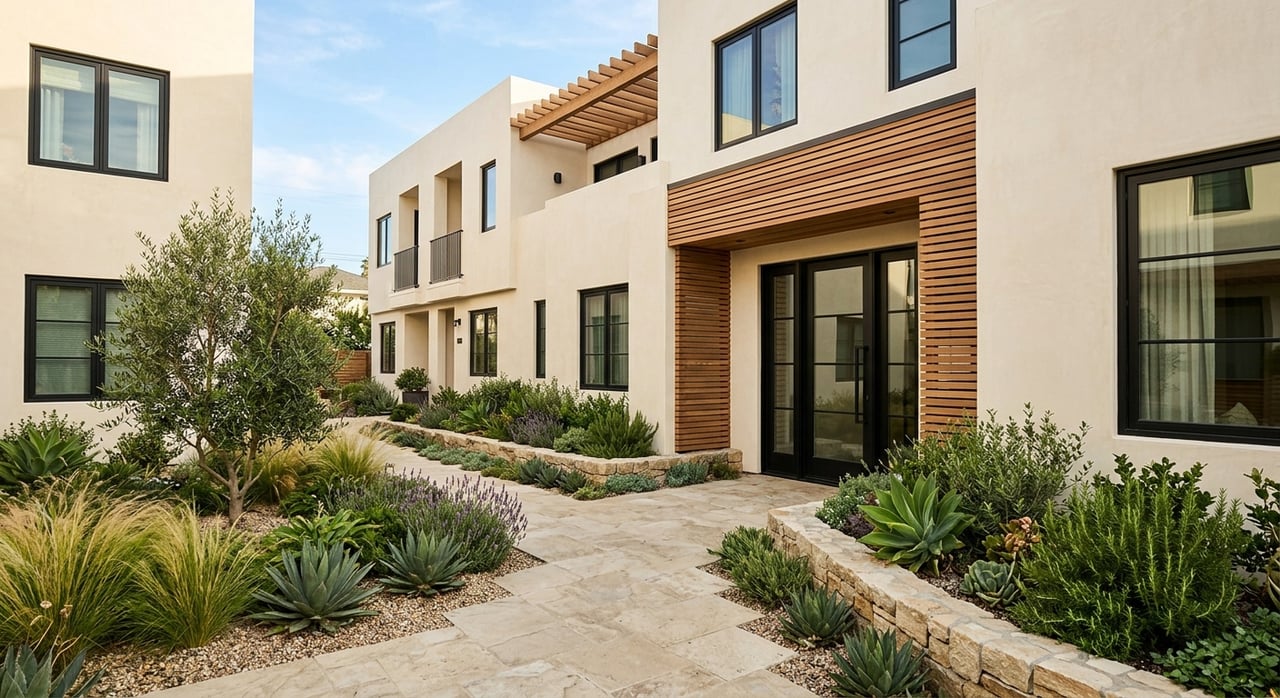
Sunnyvale Condos and Townhomes Guide for Tech Buyers
July 16, 2026
July 16, 2026
Buying in Sunnyvale can feel like a balancing act. You want a home that fits your budget, supports your work routine, and keeps you close to the parts of Silicon Valley you actually use. If you are weighing a condo or townhome, this guide will help you understand pricing, layouts, commute advantages, and the ownership details that matter most before you buy. Let’s dive in.
For many buyers, condos and townhomes offer a more reachable way into Sunnyvale than a typical detached home. Current inventory shows about 76 condos for sale at a median listing price of $875,000 and 34 townhomes at a median listing price of $1.3 million. Over the three months ending May 2026, Sunnyvale’s all-home median sale price was $1.79 million, with homes averaging about five offers and 11 days on market.
That price gap helps explain why attached homes matter here. If you want to live in Sunnyvale without taking on the cost of a typical detached home, condos and townhomes can offer a practical entry point. They also fit buyers who want less exterior upkeep and more day-to-day convenience.
Sunnyvale itself adds to the appeal. The city highlights its technology-centered economy, 27 parks, historic downtown, local eateries and merchants, festivals, concerts, and a year-round farmers’ market. For a busy professional, that mix can support a lifestyle that feels connected without being overly car-dependent.
Current condo and townhome inventory often shows up around El Dorado, Rivermark, East Sunnyvale, Whisman Station, North Sunnyvale, Sunnyvale West, Lakewood, North Santa Clara, and the Heritage District. Many of these areas appeal to buyers who care about commute options, downtown access, or a more compact routine.
That does not mean one area is right for everyone. Your best fit depends on how often you commute, whether you want transit access, and how much space you need at home. For many tech professionals, the biggest question is not just where you sleep, but how easily your home supports workdays, errands, and downtime.
Sunnyvale condos are commonly 1- to 2-bedroom homes in roughly the 678- to 1,360-square-foot range. Current listings often feature open or efficient floor plans, large windows, in-unit laundry, private patios or balconies, swimming pools, and assigned or gated parking.
That makes condos a strong option if you want lower-maintenance living and do not need a large footprint. A one-bedroom can work well if you spend part of the week in the office and want a simple home base. A two-bedroom layout can give you more flexibility for a home office, guests, or extra storage.
Recent examples show the range. Current listings include a 2-bedroom, 1-bath condo at 926 square feet with a private patio and pool access, a 1-bedroom, 1-bath condo at 678 square feet with a private patio, and a 2-bedroom, 2-bath condo at 1,012 square feet with in-unit laundry, a two-car garage, and a private front patio.
Townhomes usually offer more room than condos while still keeping maintenance more manageable than a detached home. Current Sunnyvale townhouse examples range from 2-bedroom plans around 1,191 to 1,378 square feet to 3-bedroom homes around 1,700 square feet, with some newer 4-bedroom homes above 2,200 square feet.
Listing features often include vaulted ceilings, strong natural light, walk-in closets, attached garages, private patios or balconies, and flex rooms or office space. Some listings also note EV charging or quick highway access, which can matter if your routine mixes office trips, client meetings, and weekend travel.
For buyers with hybrid schedules, this extra space can be a major advantage. A townhome may give you room for a dedicated office, guest room, or workout area without taking on the full maintenance demands of a larger lot. If your home needs to work as both a living space and a productive work environment, townhomes deserve a close look.
If your work life still includes office days, Sunnyvale’s transit options can make attached homes especially appealing. Sunnyvale Station at 121 W. Evelyn Ave. is wheelchair accessible and includes 18 bike racks, 446 parking spaces, restrooms, ticket machines, and VTA connections through routes 20, 21, 53, 55, and Rapid 523.
For buyers who want a lighter driving routine, access to Caltrain and VTA can be a real quality-of-life benefit. It gives you options when your week changes, whether that means commuting daily, going in twice a week, or heading north or south for meetings.
The city is also working on station walk-and-bike improvements and encourages pairing biking with transit. Sunnyvale notes that VTA buses can carry up to three bikes. If you like the idea of living where you can combine walking, biking, and transit, this part of the city deserves attention.
Attached homes are not just about the unit itself. In Sunnyvale, they are often tied to a more convenient lifestyle, especially near downtown and commute-oriented areas.
Downtown Sunnyvale includes Historic Murphy Avenue, Cityline, Plaza Del Sol, and Redwood Square. The city describes Murphy Avenue as a popular dining and entertainment destination, and the 100 block is being converted into a pedestrian mall. Cityline already includes retail and dining tenants such as Whole Foods, AMC, Pacific Catch, and Urban Plates.
The broader city adds even more everyday value. Sunnyvale highlights local eateries and merchants, frequent festivals and concerts, a year-round farmers’ market, 27 parks, golf, tennis, swimming, a library, and an arts complex. If you want a home that supports an easy weeknight routine and plenty to do nearby, attached housing can line up well with that goal.
If you are focused on northwest Sunnyvale, there is one local detail worth knowing. Peery Park Rides is a free weekday on-demand shuttle serving the area bounded by US 101, Fair Oaks Avenue, El Camino Real, and the Mountain View border.
For buyers thinking about office-park access or last-mile transit, that can be useful. It is a small detail, but in a busy workweek, small commute advantages often matter more than buyers expect.
One of the biggest differences between attached homes and detached homes is the role of the homeowners association. In California, condo and many townhome purchases fall under common-interest development rules, and sellers must provide governing documents and disclosures.
These disclosures can include current or approved assessment changes, rental or leasing prohibitions, requested board minutes, and recent inspection reports. That means HOA documents are not background paperwork. They are a central part of your buying decision.
Before you remove contingencies, make sure you understand:
If you think you may rent out the property in the future, review the CC&Rs early. California requires rental restrictions to be disclosed when they exist, so this should be an upfront decision, not a surprise later.
HOA budget reports in California must include reserve information and the Assessment and Reserve Funding Disclosure Summary. For you as a buyer, that means reserve health is a major issue.
A well-run HOA should give you a clearer picture of planned repairs and the community’s financial readiness. Weak reserves may increase the chance of future special assessments. In attached housing, shared maintenance is part of the ownership tradeoff, so the financial condition of the HOA matters almost as much as the unit itself.
Exterior conditions deserve attention too. California inspection rules for buildings with three or more attached multifamily dwelling units make balcony and deck condition especially relevant. In practical terms, you want to understand the maintenance history, not just the finishes you see on showing day.
If you are considering a home in a newer subdivision, California’s Department of Real Estate says a public report should be available before purchase. These reports can cover governing documents, assessments and costs, utilities, roads, soil or geologic conditions, title, zoning, use restrictions, hazards, and financing arrangements.
This is one reason it helps to work with an advisor who can keep the process organized. For busy professionals, attached-home purchases can look simple on the surface, but the document review is often more detailed than expected.
In Sunnyvale, the biggest advantage of condos and townhomes is often the price point. With condo inventory around $875,000 and townhome inventory around $1.3 million, attached homes usually sit well below the citywide all-home median sale price of $1.79 million.
That lower entry point comes with tradeoffs. In most cases, you gain convenience, shared maintenance, and access to well-located communities. At the same time, you give up some autonomy because of HOA dues, shared rules, and community-wide maintenance decisions.
A simple way to compare the options is this:
The right answer depends on how you live now and how you expect your needs to change over the next few years.
If you work in tech, your home often has to do more than one job. It needs to be a place to recharge, a place to work, and a place that helps you move through the week with less friction.
When you compare Sunnyvale condos and townhomes, focus on the questions that affect your real daily routine:
For many buyers, Sunnyvale attached homes make the most sense when three things line up: a more accessible price point than many detached homes, convenient access to transit and downtown amenities, and a manageable maintenance profile.
If you want help sorting through Sunnyvale condos and townhomes with a clear, organized plan, Kim Adams offers concierge-level guidance for busy Silicon Valley buyers who want confident local insight from search to closing.
Her local expertise, elevated marketing strategies, and concierge‑level service ensure every client feels inspired, supported, and confident, whether buying, selling, or investing.

Kim Adams | CA DRE# 01375840
1133 Minnesota Ave San Jose, CA 95125